
You know that moment when you see a trending topic and think “this is perfect for us!” only to discover your competitors posted about it three days ago? Yeah, we’ve all been there. And it’s not just annoying, it’s actually costing you opportunities to sell and get in more revenue.
But here’s where things get exciting. AI now makes it easy for businesses to keep tabs on what’s happening in their market. No more endless scrolling through social feeds or accidentally stumbling across mentions of your business. AI tools can now scan thousands of conversations, articles, and posts in real-time, giving you a heads up the second something important pops up.
Why Playing Catch-Up Isn’t Working Anymore
Most businesses are stuck in reaction mode, and honestly, it’s not their fault. You’re posting content based on what worked last month. You’re firefighting customer issues after they’ve blown up. You’re hopping on trends when everyone else is already moving on. By the time you’ve nailed that perfect response or campaign, the moment’s passed.
Here’s the thing: we’re all limited by being, well, human. Even if you had someone glued to social media, forums, news sites, and review platforms all day (sounds fun, right?), they’d still miss heaps of important signals. The internet moves ridiculously fast, and the sheer number of conversations about your industry happening right now is mental.
The businesses absolutely crushing it right now aren’t necessarily the ones with the biggest budgets. They’re just quicker off the mark. They catch opportunities early, spot customer mood shifts before they turn into dramas, and jump on competitor slip-ups whilst they’re still fresh.
How AI Makes You Ridiculously Good at Listening
Natural language processing (NLP for short) is the tech that lets computers actually understand what people are saying, not just what words they’re using. It’s what helps your phone get your voice commands and keeps spam out of your inbox. For marketing, NLP watches digital conversations at massive scale, picking up patterns and vibes that humans would never catch manually.
Here’s what makes NLP properly brilliant for tracking trends: it gets context, emotion, and how different ideas connect. When someone posts “Digital Freak’s new website they built for me loads way faster than my old one,” NLP clocks that as positive feedback about site speed. When another person writes “still waiting for my mobile site,” it flags a market opportunity even though nobody mentioned your brand.
This technology monitors forum chats, social posts, blog comments, local news, review sites, and industry publications all at once. It spots emerging frustrations in your market before they become full-blown complaints. It catches subtle changes in how people talk about products or services like yours. It pings you when competitors mess up or when fresh opportunities pop up in related markets.
The practical upshot? You stop asking “what happened last month?” and start asking “what’s happening right now, and what should we do about it?”
Getting Your AI Listening System Up and Running
Setting up an effective monitoring system takes a bit more than signing up and crossing your fingers. You need a solid content marketing and social strategy, proper setup, and clear processes for actually doing something with all that juicy intelligence you’re gathering.
Picking the Right Tools for Aussie Businesses
Two platforms really stand out for Australian small to medium businesses: Brandwatch and Brand24. Both work perfectly in Australia and offer seriously smart monitoring without needing a PhD in data science.
Brandwatch brings enterprise-level social listening with seriously deep analytics. It’s fantastic at tracking complex mood shifts and spotting emerging trends across huge amounts of data. The platform’s AI analyses consumer conversations to uncover insights about where you sit in the market, what competitors are up to, and where your industry’s heading. If you’re serious about market intelligence, Brandwatch gives you the depth to catch subtle signals before everyone else notices.
Brand24 is a bit more accessible whilst still packing plenty of punch. It tracks mentions across social media, news, blogs, videos, forums, podcasts, and review sites. The platform’s AI sorts mentions by sentiment, identifies influencers talking about your brand or industry, and crunches metrics like social reach and engagement. For most SMEs, Brand24 hits the sweet spot between powerful features and actually being easy to use.
Both platforms work brilliantly with Australian time zones and can monitor Aussie-specific sources, which actually matters when you’re tracking what’s happening in your local market.
Setting Up Your Monitoring So You’re Not Drowning in Noise
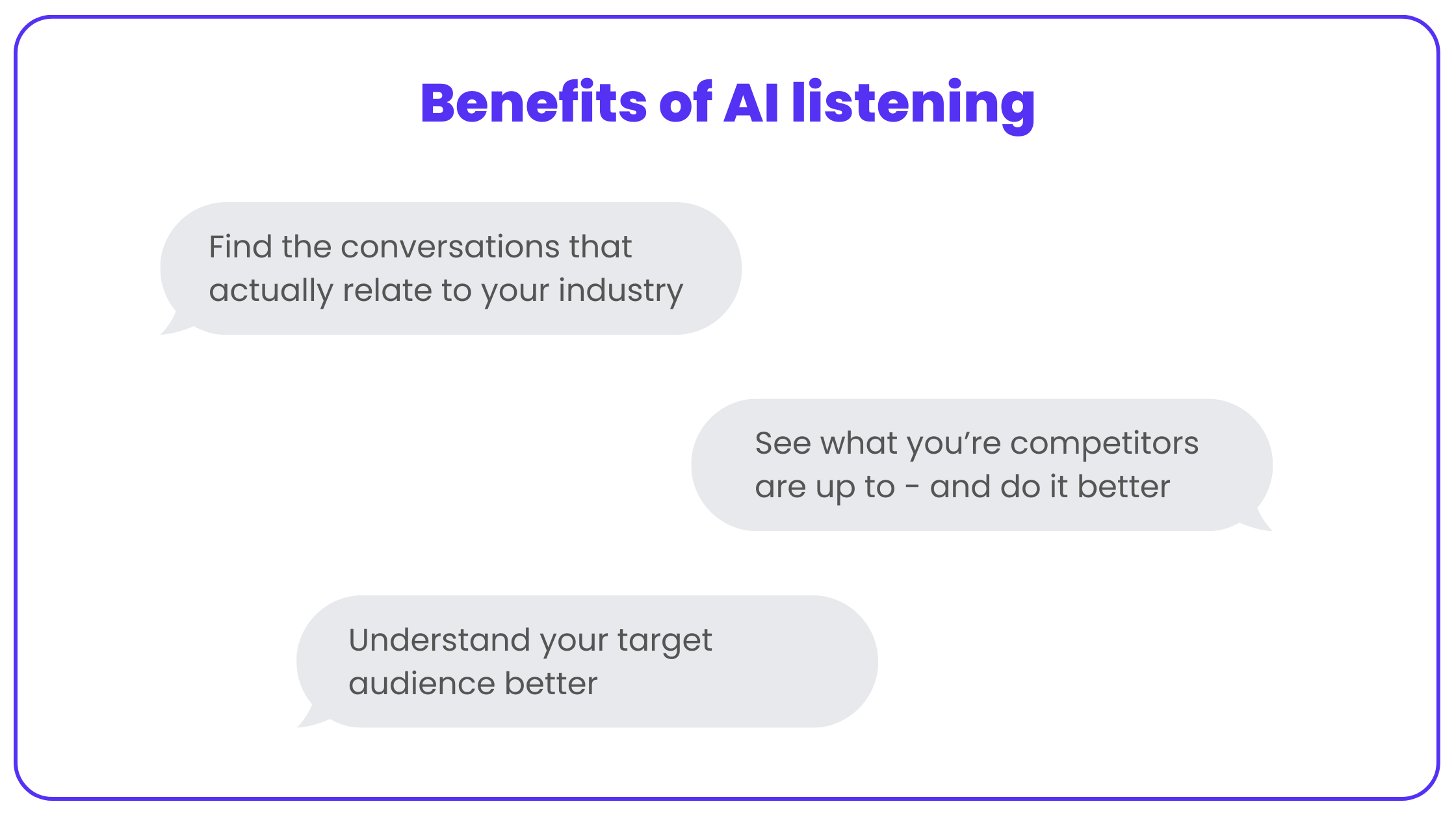
Here’s the secret: the difference between genuinely useful intelligence and getting absolutely buried in alerts comes down to how you set things up. Start by figuring out which conversations actually matter for your business.
Obviously, you want to track mentions of your own brand name. But don’t stop there. Monitor common misspellings (people are creative with typos), your product names, your website URL, and even your team members’ names if they’re public-facing. This baseline stuff tells you who’s talking about you and what they’re saying.
But here’s where it gets interesting. Track your competitors too. Not in a creepy way. Monitoring what people are saying about them gives you brilliant insight. If customers keep complaining about a specific feature your competitor offers, that’s a gap you can fill. If a competitor launches something and people are raving about it, you’ve got a heads up to either build something similar or position yourself differently.
Next, monitor industry-specific terms and pain points. Think about what your customers struggle with. If you’re a plumbing company, you might track terms like “how to fix leaking pipes,” “emergency plumber in Melbourne,” or “best water heaters in 2026”. When people post about these, you’ve got a warm lead. They’re actively looking for solutions, even if they don’t know about you yet.
Don’t forget to track hashtags relevant to your industry, location-based terms if you serve a specific area, and emerging terminology. Language shifts in your market. People start using new words, new phrases, new ways of describing problems. Tools like Brand24 and Brandwatch pick this up automatically, but you need to feed them the right search terms to start with.
Creating Action Triggers That Actually Work
Having alerts is brilliant, but only if you actually do something with them. Set up clear triggers that prompt immediate action.
For instance, if someone’s leaving negative reviews about your business, that’s a red alert. Your team should see that within an hour and respond. Someone’s asking a question about your service type in a Facebook group? That’s a yellow alert. You’ve got maybe six hours to jump in helpfully before the conversation moves on.
When you spot emerging trends, that’s an orange alert. Maybe you’re seeing multiple mentions of “lowering home energy bills” or “smart home plumbing technology” and people seem genuinely interested. That’s your signal to brief the team, brainstorm content ideas, and potentially adjust your service offerings or marketing angles.
And when a competitor stumbles, that’s your moment. Not to be nasty about it, but to position yourself as the solution. If a competitor’s website goes down and customers are complaining, you can quietly reach out to affected businesses offering your services. If they’re struggling with a specific issue you’ve solved, you’ve got a case study to reference.
Turning Data Into Action
Here’s the critical part that many businesses get wrong: having information is useless without a plan for acting on it.
Create a simple process. When an alert comes through, someone on your team needs to see it quickly. That person decides if it needs immediate action (a negative review), medium-term action (a trend you should explore), or just informational value (good to know but doesn’t change what we’re doing). Document decisions and results so you learn what works.
Dedicate someone to reviewing your monitoring dashboards regularly. It doesn’t need to be hours every day. Even thirty minutes each morning scanning your alerts can surface opportunities. Set a weekly meeting to discuss trends you’re spotting and brainstorm how to respond.
Most importantly, actually experiment based on what you learn. If you spot customers asking about a specific problem repeatedly, create content answering that question. If you notice competitors dominating a particular conversation, figure out your unique angle and join in. If you see emerging demand for a service you don’t currently offer, test it out or partner with someone who does.
The Competitive Advantage You’re Actually Getting
Here’s what makes this whole approach worth your time. You’re building a marketing system that gives you genuine competitive advantage in several ways.
First, you’re spotting customer pain points in real-time. Instead of waiting for quarterly surveys or annual feedback, you’re hearing what frustrates your market right now. This means your marketing messages actually resonate because they address current concerns, not yesterday’s problems.
Second, you’re faster to market with relevant content and services. Whilst competitors are still planning their next campaign, you’ve already noticed a trend, created something useful, and started engaging. That speed compounds over time.
Third, you’re making smarter decisions about where to invest your marketing budget. If you can see which problems your market cares about most, which competitors are struggling with, and which opportunities are emerging, you can allocate your spending way more effectively than competitors just guessing.
Fourth, you’re building genuine relationships by showing up where conversations are actually happening. When someone’s asking for help in a forum or expressing frustration on social media, and you jump in with useful advice rather than a sales pitch, that builds trust. People remember the helpful business that solved their problem, not the company that spammed their feed.
Power Up Your Marketing with Our Melbourne Digital Agency
The competitive advantage isn’t in the technology itself. It’s in the fact that most of your competitors still aren’t using it. That gap won’t last forever, so the earlier you start, the bigger your head start.
Your market is talking right now. They’re sharing frustrations, asking questions, celebrating solutions, and discussing your competitors. The question isn’t whether you should be listening. The question is, why aren’t you listening already?
If you’re ready to ditch the whole catch-up game and start leading your market instead, we’d love you to book a free chat with us, where you’ll speak directly to our founder. How cool is that?
FAQs
Do I really need AI monitoring if I’m already on social media?
Honestly, scrolling through your feed and checking mentions manually just doesn’t cut it anymore. You’ll miss heaps of conversations happening in forums, comments, reviews, and niche communities. AI monitoring catches everything at once, spotting patterns you’d never spot manually. It’s the difference between guessing and actually knowing what your market wants. Ready to get the full picture? Book your free strategy call with Digital Freak today.
How quickly will I see results from setting up monitoring?
Most businesses spot something useful within the first week, but real traction usually kicks in around four to six weeks. That’s when you’ve gathered enough data to spot genuine trends, created relevant content based on what you’ve learned, and started engaging meaningfully. Quick wins happen fast, but compound results take a bit of patience. Want to know what timeline looks like for your business? Let’s chat.
How do I know which search terms to monitor?
Start with your brand name, three to five competitors, and five to ten customer pain points. Think about what frustrates your ideal clients. If you sell web design, monitor terms like “slow website,” “can’t get customers online,” and “website conversion rates.” We help clients nail their monitoring strategy during our free consultation sessions. Ready to build your perfect monitoring list? Let’s work it out together.
Can AI monitoring actually help me land new clients?
Absolutely. When someone’s asking for help online and you jump in with genuine advice, that builds trust. People remember the helpful business. Plus, you spot customer pain points early and create content addressing those exact problems. It’s how you become the obvious choice when they’re ready to buy something. Want to see how this could work for your business? Book a free strategy call with Digital Freak.

When clients work with me, they get exactly what they want - no-nonsense, authentic digital marketing that works! With my industry experience, eye for detail, and a team that goes the extra mile, every client gets the personalised, expert treatment they deserve. Let’s get you online – and growing!