
If you run an ecommerce store, Meta (Facebook, Instagram, WhatsApp and Threads) remains one of the most powerful places to find customers, tell your brand story and drive sales. The platform has changed significantly in recent years, with new shopping features, privacy-driven targeting updates, evolving creative formats and shifting ad tools. The good news is that many of these changes create opportunities for small and medium-sized businesses to be smarter, more human and more efficient with their marketing.
Here are the latest trends and stats, what has changed and why that matters for your store, tactical steps you can take today and a clear checklist to help you prioritise. No jargon, just useful, actionable guidance you can implement with a small team or a tight budget.
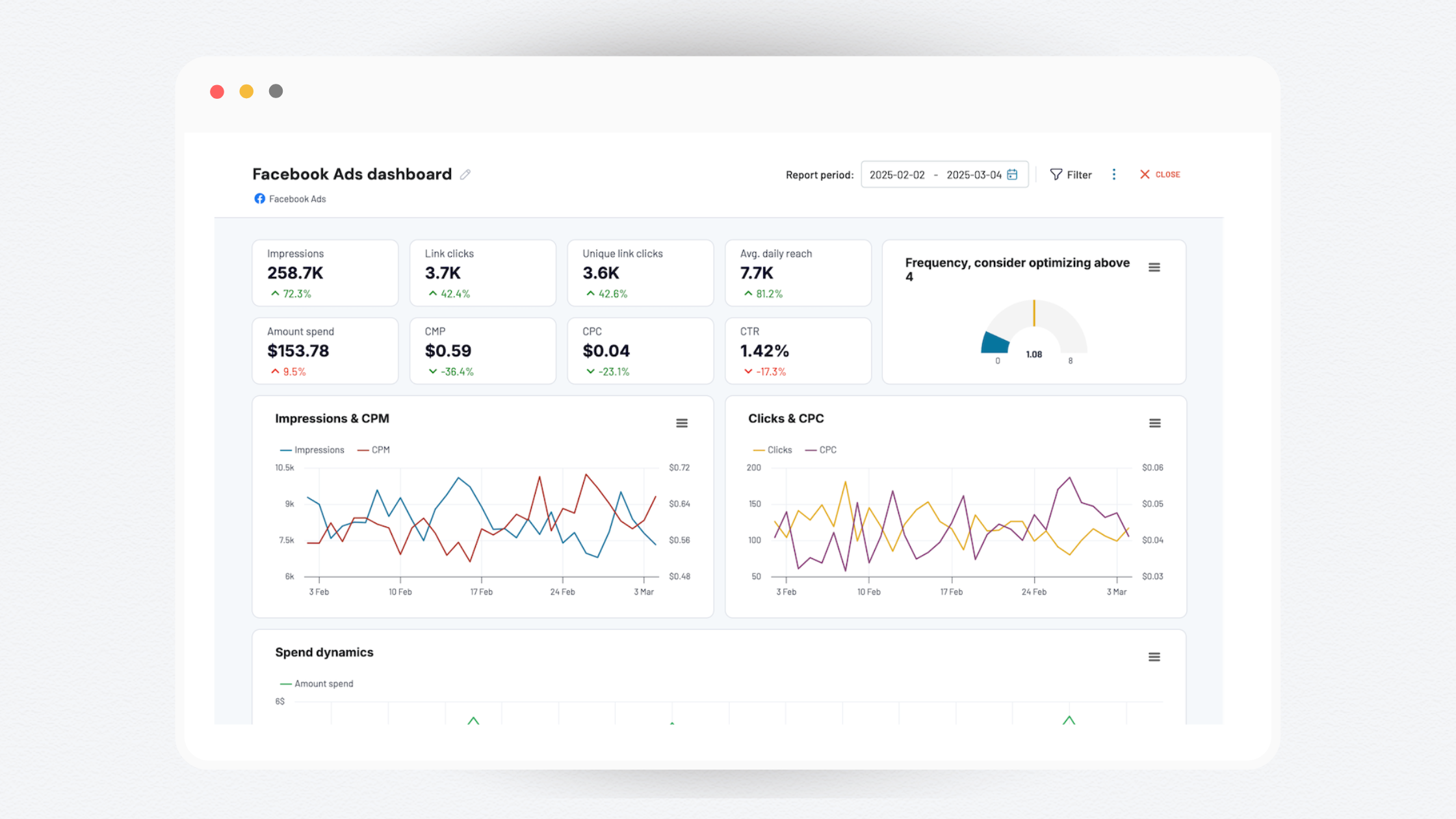
What is Happening on Meta Right Now?
Here are a few headline trends to set the context:
- Shopping is native, with Instagram and Facebook Shops prioritised inside the apps and customers expecting to browse and buy without leaving the platform. Native checkout and product tagging have matured and reduced friction between discovery and purchase.
- Short-form video dominates, with Reels and quick clips taking the lion’s share of reach and engagement. Static posts still have value for product detail and reviews, but Reels are the primary discovery vehicle.
- Conversational commerce is growing, with WhatsApp and Messenger used more for pre-sale questions, personalised follow-ups and cart recovery. Automation and human support work together to close sales and improve experience.
- Creative matters more than targeting, because privacy changes and signal loss mean Meta’s machine learning rewards content that engages users. If your ad hooks viewers quickly, you will get more reach and better return on ad spend.
- First-party data is essential, as Events API, conversion modelling and server-side tracking replace much third-party cookie-based measurement. Clean on-site data integration gives you more reliable measurement and better optimisation.
Stats worth bookmarking for context
- Reels and short-form video often lift ad recall and conversions, with advertisers reporting double-digit increases in engagement compared with static content when creative is optimised for short-form formats.
- Shops and product tags increase on-platform discovery, with some categories reporting 10 to 30 per cent of new customers originating from browsing inside Instagram or Facebook.
- Messaging ROI is rising, with businesses that offer WhatsApp or Messenger at checkout reporting higher conversion rates via conversational follow-ups and faster customer support.
What Has Changed for Ecommerce Stores and Why it Matters
Ecommerce has shifted from a simple “drive traffic and convert” model to a far more complex ecosystem shaped by rising ad costs, smarter algorithms, and more selective buyers. Understanding what’s changed helps you make better decisions, protect your margins, and turn growth into something sustainable rather than unpredictable.
1. Targeting is less precise than before
What changed: Audience targeting has become less deterministic due to privacy legislation and Apple’s iOS updates. Meta’s systems now rely more on aggregated, probabilistic signals.
Why it matters: Hyper-specific third-party audiences perform inconsistently, and manual narrowing can raise costs while reducing reach.
What to do: Prioritise broader audiences combined with stronger creative. Build value-based lookalikes and seed audiences from first-party data such as purchasers, high-value customers and email subscribers.
2. Creative quality now drives performance
What changed: Meta’s algorithm prioritises content that keeps people on the platform, meaning visually engaging short-form video with native editing, captions and fast pacing performs best.
Why it matters: Reusing the same hero image across campaigns will not scale. Creative is the main lever for lowering cost per acquisition and improving results.
What to do: Adopt a simple creative testing framework, repurpose existing assets into short, punchy videos and focus on product-in-use visuals, strong hooks and clear calls to action.
3. Tracking has moved to server-side approaches
What changed: The Events API and server-side tracking are now mainstream. The pixel remains useful, but server events are more reliable for measurement and optimisation.
Why it matters: Without accurate conversion signals, Meta’s delivery algorithms cannot optimise properly and reported return on ad spend may be misleading.
What to do: Implement Meta’s Conversions API or Events API, set consistent event naming, deduplicate client and server events and ensure purchase value and currency are correct.
4. On-platform shopping features are powerful but need care
What changed: Shops, collections, product tags and live shopping are available to most businesses and continue to be improved.
Why it matters: These features reduce friction for discovery and checkout, but they require good feed hygiene and thoughtful presentation to convert.
What to do: Maintain your product feed, optimise titles and descriptions for on-platform search and build collections that match customer intent such as gift guides, bestsellers and new arrivals.
Practical Tactics for Ecommerce Stores that Deliver Quick Wins
Turn product pages into conversion engines
- Use clear, concise product titles and bullet-point benefits.
- Include three to five high-quality images and at least one short product video of 15 to 30 seconds.
- Show social proof with reviews, star ratings and user-generated photos.
- Add WhatsApp or Messenger contact buttons to handle quick pre-sale questions.
Prioritise Reels-first creative
- Hook viewers within the first one to two seconds with bold visuals or a problem-led voiceover.
- Keep creative native to the platform: vertical format, embedded captions and minimal intrusive branding.
- Show the product in real-life use and include a short demo or clear outcome.
- Test three to five creative variations per product group before increasing spend.
Build reliable first-party data
- Encourage account sign-ups and newsletter subscriptions with a small discount or exclusive offer.
- Use post-purchase surveys and order updates to collect customer preferences and other useful attributes.
- Sync your CRM, email platform and ecommerce store with Meta to create valuable seed audiences.
Use messaging as a funnel tactic
- Add a message call to action in ads and on product pages.
- Create simple automated flows for FAQs and cart recovery, and ensure easy handover to a human for complex queries.
- Track conversions originating from messaging so you can refine scripts and measure impact.
Optimise your feed and shop continuously
- Keep SKUs correct and stock status up to date.
- Use keyword-friendly titles and map feed categories to Meta’s taxonomy.
- Regularly test collections and promotional banners within your Shop to see what drives discovery.
Get a simple creative testing framework you can repeat
- Plan: select a product category and a clear business metric, for example a CPA target under £15.
- Create: produce three short videos with different hooks and two static ads.
- Test: run a small-budget test for seven to ten days with equal daily budgets across creatives.
- Measure: focus on click-through rate, view-through rate for videos and CPA.
- Iterate: scale the winning creative and produce two additional variations that lean into the winning element.
Budget and bidding tips for small and medium businesses
- Start with conversion optimisation but give Meta time to learn, typically a week or two.
- Use broad or value-based lookalikes rather than overly narrow manual audiences.
- For new launches, run a traffic and video view sequence to build an engaged audience, then retarget with conversion-focused ads.
- Try Advantage+ catalogue campaigns if your creative and feed are solid, as automation can reduce manual optimisation effort.
Measurement and attribution
- Use the Events API and ensure purchase values and currencies are accurate.
- Avoid relying on last-click-only attribution. Look at multi-touch patterns within Meta Insights and your analytics platform.
- Reconcile Meta’s reported orders with backend sales weekly, expecting some normal variance.
- Monitor mid-funnel metrics such as add-to-cart rate and view-content to add-to-cart drop-off, and measure conversions from messaging.
How to Use Creators and User-Generated Content Effectively
Creators and user-generated content remains a major discovery lever when used properly. For SMBs:
- Work with micro-influencers, typically 1,000 to 50,000 followers, who have high engagement in your niche and deliver authentic recommendations.
- Provide a concise brief that highlights hooks and product benefits, but allow creative freedom so content feels genuine.
- Request raw clips with confirmed usage rights so you can repurpose creator content as native-feeling ads and Stories.
- Encourage UGC from customers by offering small incentives, clear submission instructions and simple templates for shots (product in use, unboxing, short review).
- Curate and moderate UGC for quality, then tag and credit creators when you publish to build goodwill and repeat collaborations.
- Pool UGC into a creative library organised by product, mood and format for fast ad assembly and A/B testing.
- Track performance with coupon codes or trackable links and measure purchases and lifetime value rather than just impressions, to understand true impact.
Trends on the Horizon to Watch
- AI-generated creative is improving, enabling rapid prototyping of short-form video and variations. Use these tools to test ideas, then add human editing to maintain authenticity.
- Social audio and community shopping may emerge as niche channels for loyalty and direct sales, particularly for passionate audiences.
- Deeper commerce integrations such as AR try-ons and frictionless checkouts will continue to evolve, offering early advantage to brands in fashion, beauty and homewares that experiment early.
Quick Checklist to Get Started this Quarter
- Implement Meta Conversions API and validate purchase events.
- Produce at least one 15 to 30 second Reel for each top-selling product.
- Build a clean product feed and connect it to Shops.
- Create a seed audience from purchasers and email subscribers.
- Add messaging as a checkout support option and create a simple cart recovery flow.
- Run a creative test for one product category with three to five variations.
Meta in 2026 rewards businesses that get the fundamentals right: clear product stories, smart use of first-party data, relentless creative testing and friction-free buying journeys. There are no quick hacks that replace consistent, measured work. Focus on native shopping, Reels-first creative, server-side tracking and conversational commerce to build a reliable growth engine for your store.
We’re Here to Power Up Ecommerce Meta Ads ROI!
If you would like help implementing these ideas, Digital Freak works with ecommerce stores in Melbourne and beyond on all ecommerce services, from web design and development, to web maintenance, brand development, Google and social ads, and content writing, all tailored to small and medium-sized businesses.
We audit Meta setups, optimise product feeds and shops, create reels and implement the Events API and messaging recovery flows. We combine practical strategy with hands-on execution, helping you turn creative and data into campaigns that convert.
Get in touch with a free call and we will help you start seeing better results on Meta!
FAQs
How important are reels for ecommerce performance on Meta?
Reels drive discovery and engagement; prioritise vertical, captioned 15–30s clips with a strong 1–2s hook. Test 3–5 variations, repurpose creator clips, and measure CTR and CPA. Digital Freak can produce and test Reels as part of social ads. Book a free strategy call.
Do I need Meta’s Conversions API for an ecommerce store, and why?
Yes. Conversions API improves measurement and optimisation by sending server-side purchase events, reducing signal loss from browsers and mobile OS updates. We implement and validate Events API, align event names and dedupe events so your ads perform reliably. Need help? Let’s chat!
How should ecommerce stores approach audience targeting now?
Use broader seed audiences, value-based lookalikes and first-party data rather than hyper-narrow third-party segments. Focus budget on creative and high-quality seed lists from purchasers and email subscribers. Digital Freak builds and tests lookalikes and audience strategies. Contact us today for a free strategy call.
What’s the quickest way to improve ecommerce product page conversions?
Improve titles, add 3–5 quality images plus a 15–30s demo video, include clear benefits and UGC, and add WhatsApp/Messenger contact options. We optimise product pages and feeds to boost on-platform conversion. Book a free strategy call.

When clients work with me, they get exactly what they want - no-nonsense, authentic digital marketing that works! With my industry experience, eye for detail, and a team that goes the extra mile, every client gets the personalised, expert treatment they deserve. Let’s get you online – and growing!