Brand discovery used to follow a fairly predictable path. Someone saw an advert, clicked through to a website, compared options, then made a decision.
Today, that journey looks very different.
Discovery is no longer linear. It happens in fragments across social feeds, conversations, short videos, comments, and recommendations. Often, it begins long before someone even realises they are in the market.
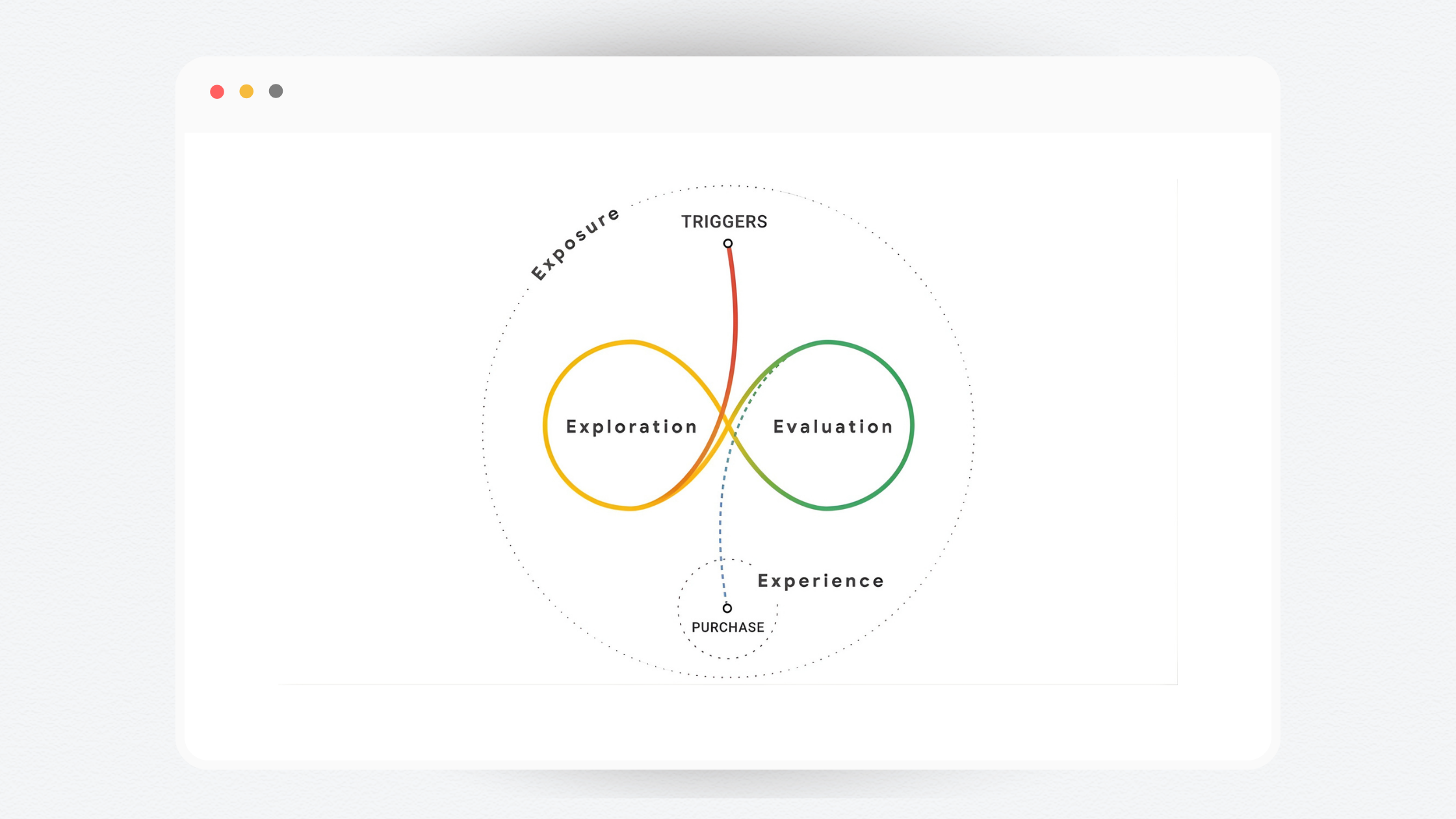
Google describes this as the messy middle, where people loop between exploration and evaluation before making a decision, often revisiting the same brands multiple times along the way.
If you want your business to stay visible and relevant, you need to understand how people actually discover brands now and build your strategy around that reality.
Understanding how people discover brands today
We now live in an always-on digital environment shaped by algorithms, creators, and communities.
Discovery today is:
- Social-first
- Influenced by peers, other users, and trusted voices
- Visual and video-led
- Non-linear
- Continuous rather than campaign-based
According to research, 67% of shoppers research online before making a purchase, even if they eventually buy offline, and 53% research in-store before buying online.
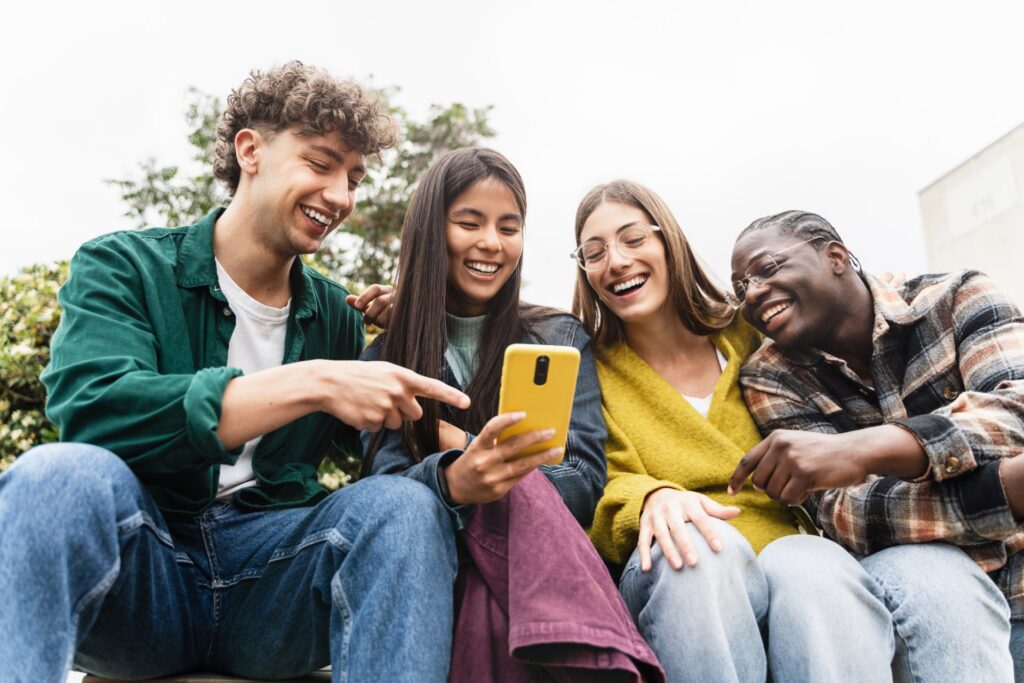
At the same time, platforms like TikTok and YouTube have shifted expectations. In a Google internal study, nearly 40% of younger users said they use TikTok or Instagram when searching for places to eat instead of Google Search or Maps.
This signals a broader shift. Search behaviour has not disappeared. It has expanded.
Discovery starts long before someone is ready to buy
Traditional marketing focuses on capturing demand. Today, discovery begins much earlier.
Google’s research into decision-making shows that people enter the messy middle well before purchase intent becomes clear. They gather information, compare options, and build familiarity over time.
Someone might:
- Follow a brand for months before purchasing
- Save content for later
- Recognise your name through repeated exposure
- Hear about you through peers
This is especially true for early-career professionals and emerging decision-makers. Many are actively learning and observing brands long before they control budgets or make purchasing decisions.
By the time they are ready, their preferences are already shaped.
The goal is not instant conversion. It is mental availability.
Where discovery actually happens
Search still matters, but it now happens across multiple platforms.
People are using:
- TikTok for quick, visual answers and real-world demonstrations
- YouTube for deeper research and comparisons
- Instagram for validation and brand familiarity
- Reddit and forums for honest, unfiltered opinions
- Messaging apps and group chats for peer recommendations
TikTok has reported that users are 1.5 times more likely to discover new brands on the platform compared to other social channels, driven largely by its algorithm and content discovery model.
Each platform plays a different role. Together, they shape perception.
What people notice and what they ignore
Modern audiences are highly aware of marketing patterns.
They respond to:
- Real people and real experiences
- Clear, practical value
- Honest pros and cons
- Content that teaches or entertains
They ignore:
- Generic, overly polished messaging
- Vague claims
- Trend-driven content with no relevance
Building a discovery-first content strategy
Discovery content is not designed to convert immediately. It is designed to be found and remembered.
Strong formats include:
- Short videos answering specific questions
- Behind-the-scenes insights
- Real-life use cases
- Educational or how-to content
Google’s research shows that video plays a critical role in early discovery, with YouTube influencing purchase decisions across categories including tech, beauty, and finance.
Focus on clarity. Keep it simple. Make it useful.
The role of creators and trusted voices
Creators and industry voices play a central role in discovery.
Nielsen reports that 88% of consumers trust recommendations from individuals over brands, even when they do not know them personally.
This is why smaller, niche creators with performance creatives often outperform larger accounts. Trust is built through consistency and relevance, not just reach.
When working with creators:
- Prioritise alignment over audience size
- Allow natural communication styles
- Focus on genuine use and experience
Designing touchpoints that support discovery
People rarely discover your brand in one place.
Google’s messy middle highlights how consumers loop between channels before deciding. Each touchpoint reinforces or weakens perception.
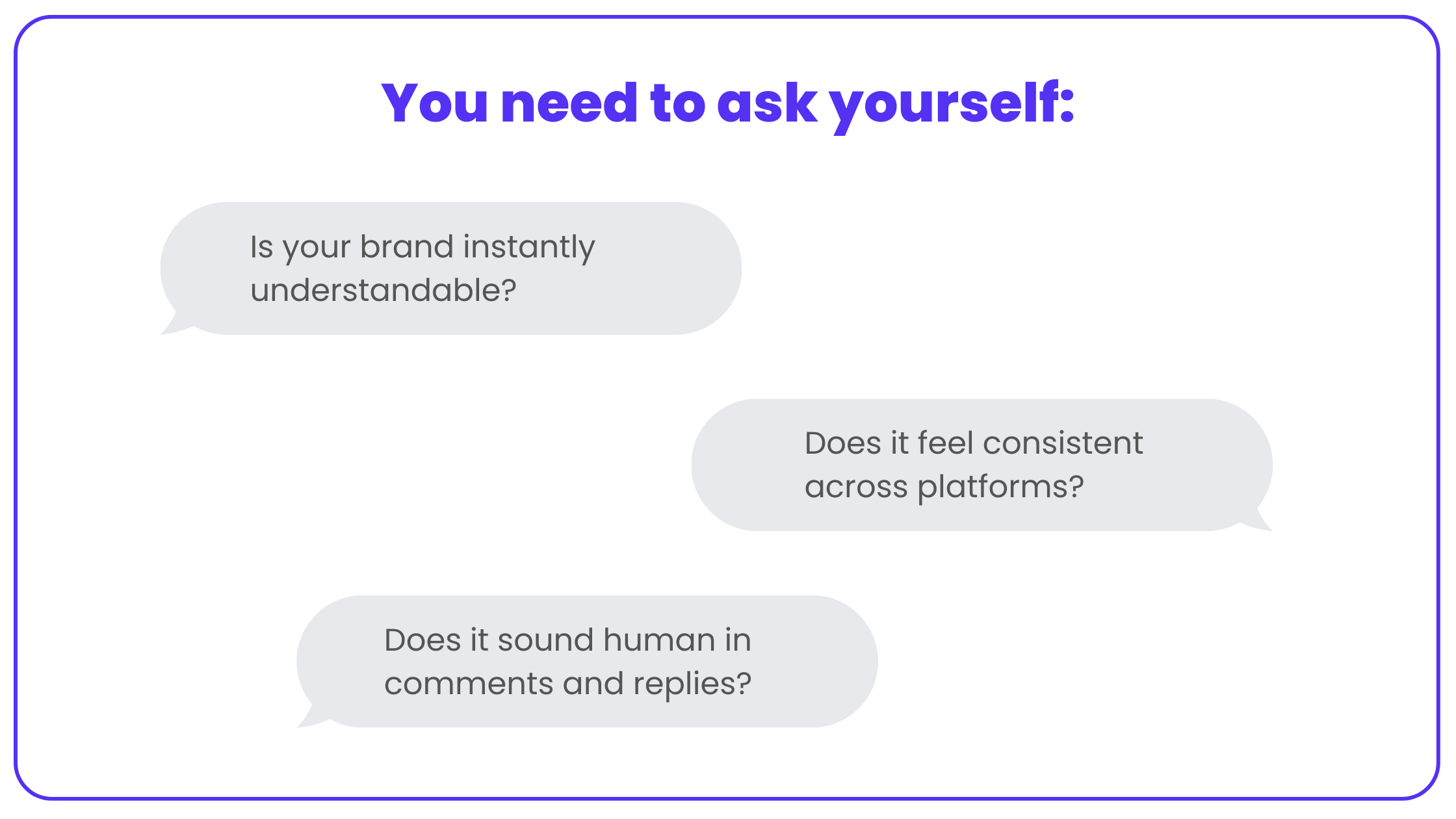
Ask:
- Is your brand instantly understandable?
- Does it feel consistent across platforms?
- Does it sound human in comments and replies?
Your website still matters, but it often acts as a credibility checkpoint rather than the first discovery moment.
Social search and the rise of question-led content
Search is becoming more conversational and intent-driven.
Instead of broad queries, people ask:
- Is this worth it
- What does it look like in real life
- What are the downsides
TikTok and YouTube content is increasingly surfacing in Google results, reflecting this shift towards visual, answer-led content.
To stay visible:
- Use natural language
- Answer specific questions
- Show real outcomes
The clearer your answer, the more discoverable your content becomes.
Trust, values, and transparency
Trust is built through behaviour, not just messaging.
Edelman’s research shows that consumers expect brands to be transparent and accountable, particularly around pricing, values, and decision-making.
What works:
- Honest communication
- Clear expectations
- Visible consistency
Perfection is not required. Clarity is.
Measuring discovery in a modern landscape
Discovery builds gradually, so traditional metrics only tell part of the story.
Look for:
- Saves and shares
- Follower growth after exposure
- Repeat visibility across platforms
- Brand search increases
- Direct traffic
Google refers to this as building mental availability, where your brand comes to mind when a need arises.
Recognition often comes before conversion.
Common mistakes businesses still make
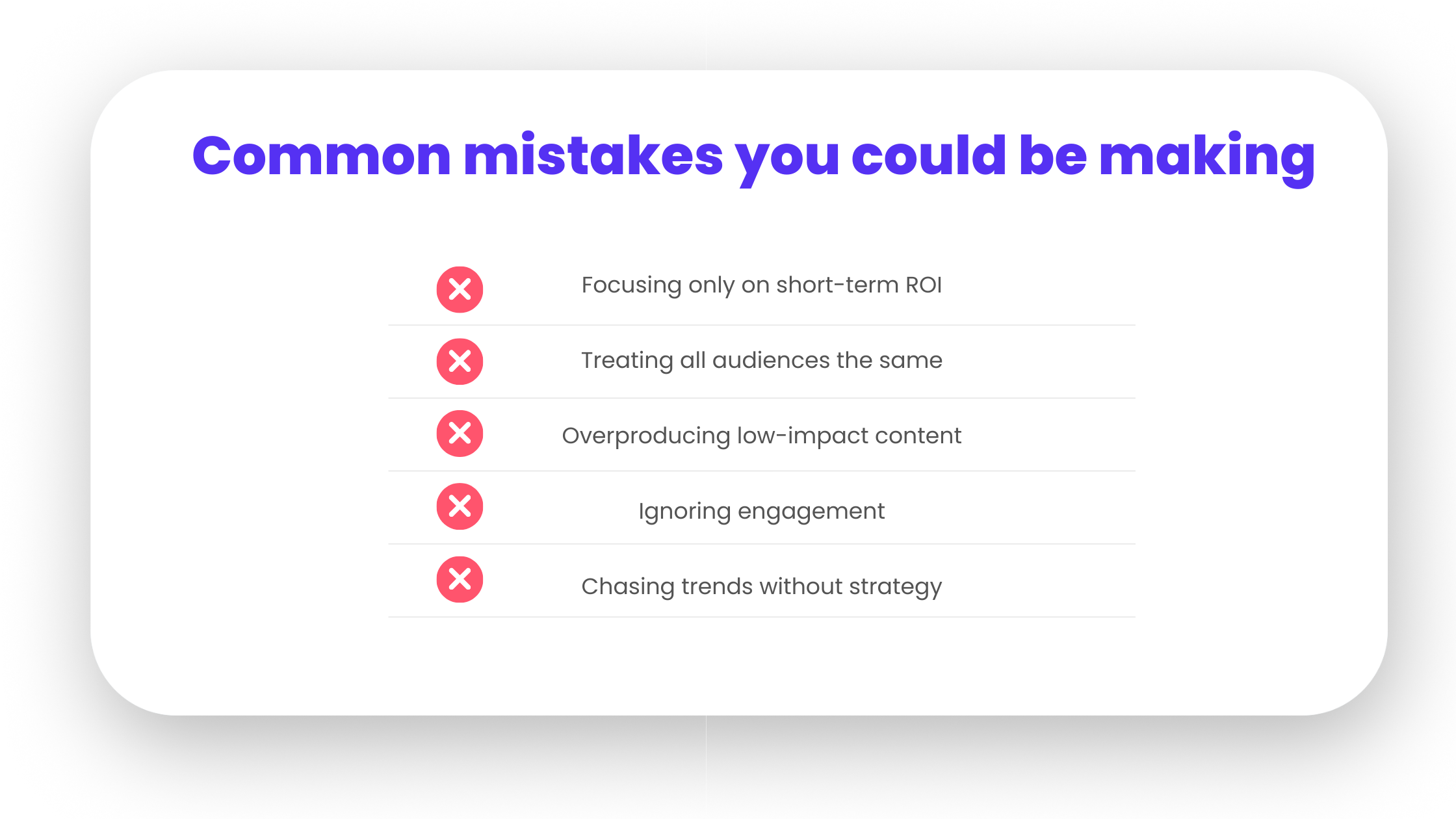
Common issues include:
- Focusing only on short-term ROI
- Treating all audiences the same
- Overproducing low-impact content
- Ignoring engagement
- Chasing trends without strategy
The fix is not more content. It is better alignment with how people actually behave.
Build a Brand People Recognise Before They Need You
People are not avoiding brands. They are choosing how to engage with them.
Brand discovery now happens across platforms, conversations, and everyday moments that do not feel like marketing.
The businesses that win are the ones that show up early, communicate clearly, and build trust over time.
At Digital Freak, we help small businesses create digital branding solutions that feel human and perform in the real world. That means clear positioning, content that connects, and marketing systems built around how people actually discover brands today.
If you want to attract the next generation of professionals and decision-makers, start by showing up where they already are and give them a reason to remember you. Get a free strategy call today!

FAQs
Which platforms are best for improving brand discovery?
The best platforms depend on your audience, but most businesses benefit from a mix of short-form video, social media, and search visibility. Platforms like Instagram, YouTube, and TikTok often support early discovery, while your website reinforces credibility. Digital Freak helps you prioritise the right channels based on your goals and resources. From Melbourne, we work with small businesses to create focused strategies. Book a free strategy call to map out your ideal platform mix.
How can I create content that supports discovery rather than just sales?
Discovery content should educate, entertain, or solve a problem without pushing for an immediate sale. Focus on answering real questions, showing how your product or service works, and sharing authentic insights. This builds trust and familiarity over time. Digital Freak creates content strategies that balance discovery and conversion across blogs, social media, and video. Book a free strategy call to see how your content can work harder for your business.
Do I still need a website if discovery happens on social media?
Yes, your website remains essential. While discovery often starts on social platforms, your website acts as a credibility checkpoint where people confirm trust and learn more. It should clearly explain what you do and guide users to take action. Digital Freak offers website design, development, and optimisation services to support this role. Based in Melbourne, we help businesses align their website with modern discovery. Book a free brand discovery strategy call to review your site.
What metrics should I track to measure brand discovery?
Look beyond clicks and conversions. Key indicators include content saves, shares, follower growth, brand searches, and repeat engagement. These signals show that your brand is being noticed and remembered. Over time, this leads to stronger demand. Digital Freak helps businesses track meaningful performance metrics and refine their strategy accordingly. Based in Melbourne, we focus on results that support growth. Chat to us to review your current metrics.

You know how they say content is King? Well, meet the Queen. Engaging and exciting content is what I’m here to create. Whether it’s websites, print, digital, or social graphics – I take your brand’s vision and industry trends and turn them into high-quality content.