

Building a 12-month marketing plan feels like a big job, especially when you already juggle day-to-day operations, busy seasons, staff, customers, and budgets. The truth is that planning ahead does not need to be complicated. It simply needs to be clear, realistic, and aligned with how your small business actually works throughout the year. A long-term marketing plan is an essential part of your digital strategy, as it gives you structure, direction, and the confidence to make decisions that move your business forward.
A good plan acts as a guide instead of a rigid document. It adapts with you. It helps you keep your marketing consistent, even when things get busy. And it gives you a reliable way to measure progress so you can build on what works.
Here is how to create a 12-month marketing plan that supports growth and stays flexible enough to evolve with your business.
Start With a Clear Picture of Your Current Situation
Before mapping out the next 12 months, take a close look at what you are doing right now. This step often reveals more useful information than many business owners expect.
Review key areas such as:
- Your website performance. Look at load speed, current traffic sources, popular pages, and conversion rates. GA4, Google Search Console, and heatmapping tools help you understand how visitors behave and where they drop off.
- Your customer journey. Map how customers discover you, where they engage, and what often leads to a sale. You might notice gaps such as no follow-up emails, inconsistent social posting, or unclear calls to action.
- Your competition. Examine how similar businesses promote themselves. Note their strengths, weaknesses, and positioning. Look at their Google reviews, search visibility, and social activity.
- Your current marketing results. List what you have tried this year. Note what worked, what failed, and what you ignored due to time pressure. Sometimes the problem is not the strategy but the lack of consistency.
This assessment forms the base of your 12-month plan. It helps you avoid guessing and gives you a clear direction grounded in data.
Define Objectives That Fit the Next 12 Months
Every strong plan starts with goals that mean something. Your goals should be specific and easy to measure. They should guide how you allocate your time and budget throughout the year.
Examples include:
- Increase leads from organic search by 20%.
- Grow your email list by 300 subscribers.
- Improve online sales by 15%.
- Lift Google Business Profile engagement and local traffic.
- Reduce reliance on paid ads by strengthening your long-term SEO foundation.
Clear goals help you select the right channels and track progress. They also give you a reason to pause and adjust strategies at the right moments instead of drifting through the year without direction.
Build Your Marketing Plan Around How Your Business Works
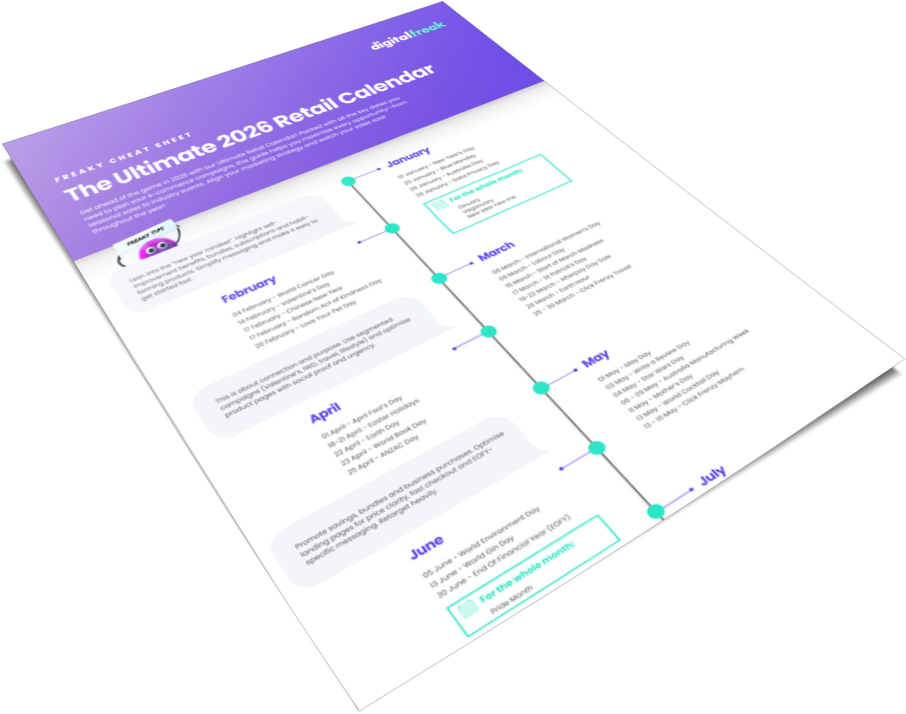
Many small businesses follow the same pattern each year. There are peak seasons, quiet periods, product launches, sales moments, and industry-specific trends. When you align your marketing plan with this natural flow, you work with momentum instead of against it.
Break your year into manageable chunks. Quarterly planning works well because it gives you enough time to see results without losing the ability to adapt.
For each quarter, document:
- Key sales periods
- Planned promotions
- Product or service launches
- Seasonal events
- Industry-specific shifts
- Budget availability
- Staffing capacity
This makes your 12-month plan realistic instead of overwhelming. It also prevents last-minute scrambling during busy periods.
Choose the Right Marketing Channels for Your Business
Not every business needs every channel. Focus on the platforms and tactics that match your customers, not the latest trend.
Here are the core channels most small businesses benefit from:
SEO gives you long-term visibility and drives consistent traffic. Optimise your website structure, content, keywords, and user experience. Plan blog topics that respond to real customer questions and long-tail searches. Schedule website audits each quarter to keep pages updated and relevant.
Paid search delivers fast results and supports seasonal peaks. Plan promotions ahead of time so you do not waste budget on rushed campaigns. Review performance monthly and shift spend to the highest-converting keywords, locations, and audiences.
Choose one or two platforms your customers actually use. Create a consistent posting schedule. Batch content creation to reduce time pressure. Mix educational posts, behind-the-scenes insights, product showcases, testimonials, and community engagement.
Email remains one of the most effective channels for small businesses. Plan monthly newsletters, welcome sequences, sales announcements, and re-engagement flows. Segment your audience so you send relevant content without overwhelming your subscribers.
Build a content library that supports your SEO and customer journey. This includes blogs, guides, social posts, product pages, FAQs, videos, and case studies. Map each piece to a stage in the customer buying cycle: awareness, consideration, decision, and retention.
Automation saves hours each month. Set up automated emails, abandoned cart flows, lead nurturing sequences, review requests, and internal reminders. These systems keep your marketing active even when you are not.
Create a Monthly Content and Campaign Calendar
Once your channels are set, map out your entire year. Start with your biggest activities first. Insert your non negotiables such as:
- Seasonal promotions
- Holiday periods
- Product launches
- Sales events
- Major campaigns
- Paid advertising bursts
- Key blog posts
- Website updates
Then fill the gaps with supporting content such as newsletters, reels, educational posts, and tutorials. This creates a complete view of the year without becoming cluttered.
Your calendar might look like this:
- January: New Year campaigns, fresh SEO content, updated Google Ads
- February: Social content push, email flows, seasonal offers
- March: Website audit, blog updates, analytics review
- April to June: Growth campaigns, SEO visibility focus, brand awareness
- July: Mid-year review, strategy adjustments
- August to October: Campaign development for the biggest sales quarter, retargeting, email automation
- November: Black Friday campaigns, Performance Max refinement
- December: Holiday campaigns, year-end reporting
This structure keeps your marketing consistent and intentional.
Plan Budgets for Each Channel
Financial clarity matters. Spread your annual marketing budget across channels based on business goals and expected returns. Avoid placing everything into one tactic. A balanced plan performs better and protects your business against sudden changes.
Consider:
- Ongoing SEO and content creation
- Monthly or seasonal Google Ads
- Social media ad boosts
- Monthly email marketing software fees
- Website maintenance
- Automation tools
Track performance monthly so you can shift funds to channels that show real results.
Use Data Throughout the Year Instead of Relying on Guesswork
A 12-month plan works best when you check progress as you go. Use data to guide your choices. Do not wait until the end of the year to see if something worked. Review your numbers consistently.
Look at:
- Website traffic trends
- Search visibility
- Keyword rankings
- Conversion rates
- Email open and click rates
- Return on ad spend
- Social engagement
- Customer retention
Set aside time every month to evaluate performance. This helps you notice issues early and turn opportunities into momentum.
Stay Flexible Enough to Adjust Throughout the Year
A good marketing plan adapts. When something performs well, build on it. When something underperforms, refine or replace it. You do not need to overhaul your entire plan. Small adjustments each quarter often create the strongest results.
Reasons you may adjust include:
- New product demand
- Algorithm changes
- Shifts in customer behaviour
- Unexpected slow periods
- Industry changes
- New team capacity
- Fresh opportunities
Flexibility makes your plan resilient. It lets you grow with confidence instead of reacting out of stress or uncertainty.
Build Systems That Keep Your Marketing Consistent
Small businesses often struggle with consistency because marketing pauses when things get busy. A strong 12-month plan solves this by creating repeatable systems.
These systems may include:
- Content batching days
- Weekly posting schedules
- Automated email sequences
- Tempting templates for newsletters
- Pre drafted responses for common customer questions
- Shared calendars for your team
- Quarterly analytics routines
When your systems run smoothly, your marketing stays active regardless of workload.
Review and Refresh Your Plan Every Quarter
Quarterly reviews keep your plan alive. They also help you track progress and adjust priorities.
During each review:
- Update your goals if needed
- Refresh your keyword strategy
- Adjust advertising budgets
- Check website performance
- Plan next quarter’s content
- Review email flows
- Evaluate customer behaviour
- Revise promotions and launch dates
These reviews turn your plan into a working tool instead of a forgotten document.
Turn Your 12-Month Plan Into Real Results
A clear 12-month marketing plan gives your business direction, consistency, and space to grow. When you know what to focus on each quarter, you make better decisions, spend smarter, and build momentum that lasts.
If you want support turning your plan into real results, Digital Freak is here to help! Grow your business with Digital Freak’s no-nonsense digital marketing solutions. We create PPC campaigns that convert, websites that perform, and video and blog content that connects.
Book a free strategy call today and let’s make your marketing work harder for you!
FAQs
What is the best way to set marketing goals for 12 months?
Choose goals that are specific, measurable, and grounded in the reality of your current performance. Look at your existing traffic, leads, sales, and customer behaviour. Identify gaps and opportunities. Decide what needs to improve and what growth looks like. If you need support with your small business digital strategy or analysing your data, Digital Freak’s Melbourne-based team helps small businesses create achievable goals across SEO, Google Ads, and content. Book a free call.
What digital channels should small businesses focus on in a 12-month marketing plan?
Most small businesses benefit from a mix of SEO, Google Ads, email marketing, content creation, and one or two social platforms. The right blend depends on your audience and goals. A good plan balances long-term visibility with short-term results. Digital Freak helps Melbourne businesses choose the right channels and build campaigns that drive growth. If you want a customised channel plan, book a free strategy session.
How do I budget for a full year of marketing?
Start by allocating funds to essential ongoing activities such as SEO, website maintenance, and email tools. Then assign seasonal budgets for ads and big campaigns. Track performance monthly so you can move your budget to the strongest channels. Digital Freak supports small businesses with digital strategy services, performance reviews and cost-effective PPC and SEO strategies. If you want help building a realistic budget, book a free strategy call now.
How do I decide which months deserve the most marketing focus?
Look at your sales history, seasonal trends, and industry patterns. Most businesses have natural high and low periods. Focus more energy and budget on your strongest sales months and prepare earlier for peak times. Use quieter months for planning, SEO updates, and content creation. Digital Freak helps Melbourne small businesses map seasonal priorities and structure campaigns around them. Book a free strategy call for personalised guidance.

When clients work with me, they get exactly what they want - no-nonsense, authentic digital marketing that works! With my industry experience, eye for detail, and a team that goes the extra mile, every client gets the personalised, expert treatment they deserve. Let’s get you online – and growing!