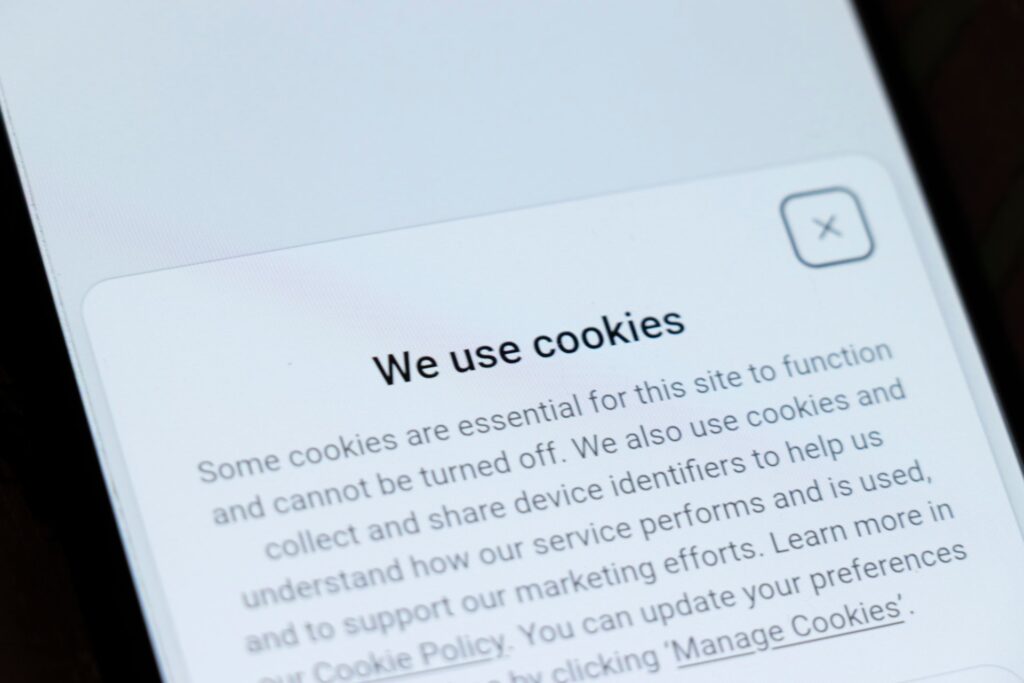
Retargeting has always been a reliable tool for digital marketers. You could follow users across the internet, remind them what they viewed, and bring them back to complete a purchase. It worked for years because third party cookies sat quietly in the background collecting data. That world is on its way out.
The shift toward a cookie free internet has changed how advertisers reach customers at every stage of the funnel. Browsers limit tracking, platforms restrict data sharing, and privacy features give users more control over what information they allow. Retargeting still works, but the rules have changed. Brands that understand those rules can keep their Google ads and Meta ads visible, spend smarter and build stronger customer relationships.
This guide explains the new era of retargeting, how the changes affect small businesses, and how you can create a practical strategy that works in 2026 and beyond.
Why cookies disappeared and why it matters for retargeting
Browsers such as Safari and Firefox began blocking third party cookies years ago, but the real shift arrived when Chrome started phasing them out. With Chrome holding the largest market share in Australia, this marked a major turning point.
Cookies were once the glue that connected user actions between sites. Advertisers could track product views, cart activity and browsing behaviour across the web. Retargeting lists came from these signals. When cookies disappear, those lists shrink and your ads have less data to work with.
For small businesses, this has practical consequences. Retargeting costs rise. Audiences become less accurate. Attribution becomes harder to trust. You spend more time trying to piece together what actually works.
The good news is that retargeting has not died. It has evolved into something more refined, more protective of user privacy and more dependent on first party data. If your business adapts, you can still reach warm audiences and guide buyers back to checkout.
First party data becomes the foundation of retargeting
In a cookie free internet, the most valuable data comes from your own channels. First party data includes email lists, phone numbers, purchase history, site interactions and customer service conversations. These signals belong to your business, and you can use them to build audiences for retargeting.
Platforms such as Meta, Google and TikTok have invested heavily in tools that help advertisers use their own data more effectively. This includes customer upload lists, conversion APIs and server side event tracking. When you send accurate first party signals to the platforms, they can build lookalikes, refine retargeting and improve performance.
This change benefits small businesses because it levels the field. You no longer compete with large brands that relied on extensive third party data networks. Retargeting becomes more about the quality of your communication and the strength of your customer relationships.
If you want your retargeting strategy to work, you need a strong foundation. This means collecting customer information ethically, providing value through email and SMS, and segmenting your lists based on behaviour. You gain more control and reduce your reliance on platforms that once tracked customers for you.
Server side tracking replaces the old pixel model
Conversion APIs are now essential for retargeting. The standard pixel still helps, but it no longer captures every action. When browsers block cookies, the pixel cannot track users accurately on its own.
Server side tracking fills that gap. Instead of relying on browser signals, your site sends events directly to the ad platforms. This improves match quality and gives the algorithm more reliable data. When the platform knows which users took specific actions, your retargeting campaigns reach people with real intent rather than random impressions.
Small businesses that adopt server side tracking usually see a noticeable lift in return on ad spend. The platform finally understands what success looks like and optimises toward those signals. This leads to more stable performance, even when interest targeting or remarketing lists feel smaller than usual.
The setup is much easier than it used to be. Shopify, WooCommerce and major website builders now include built in support for conversion APIs. The challenge is making sure the events you send match your goals. If you track actions that matter most, you gain clarity and stronger audience signals.
Creative plays a bigger role in retargeting outcomes
Retargeting ads once focused on reminders. They showed a product, added a short line of text and nudged people back to buy. That approach still has value, but creative expectations have changed.
Platforms rely on creative to understand what the shopper cares about. The algorithm reads the visual, timing, movement and text to make decisions. If your retargeting creative lacks energy or clarity, performance drops. Your warm audiences need more than a generic reminder.
Retargeting creative works best when it focuses on reassurance and value. Shoppers already know the product. They want answers to the last few questions holding them back. They want to see the size, the texture, the delivery time, the warranty and the real life use case.
Short video clips, quick demonstrations, review snapshots and before and after comparisons convert well in today’s landscape. They help the viewer confirm their decision without feeling pressured. This leads to higher click through rates and more consistent sales.
When creative matches user intent, your retargeting campaigns feel smoother and more natural.
Segmentation becomes more important than frequency
The old retargeting model relied heavily on frequency. Advertisers followed customers across every site until they returned and converted. Frequent reminders were the whole strategy.
In a cookie free world, you cannot rely on frequency alone. Your retargeting lists are smaller and less exact. You need to segment carefully to avoid wasting spend.
Start by grouping users based on the depth of their engagement. Someone who watched 50 percent of a video does not need the same message as someone who added a product to the cart. Someone who visited your shipping page may need clarity on delivery times. Someone who viewed your returns page may need more trust.
Segmentation helps you tailor your creative and improves your conversion rate. It also helps protect your brand. Shoppers become frustrated when ads feel irrelevant. If a user only skimmed your site, they might not be ready for a product heavy retargeting message. A softer, more informative approach works better.
Modern platforms support this through engagement audiences, instant form audiences, video view buckets and email behaviour lists. These tools give you more control without requiring cookies.
Contextual retargeting returns with better tools
Before cookies became widespread, contextual advertising was the main approach. Ads appeared based on the content of the page rather than the behaviour of the user. This method has returned with improved accuracy.
Platforms can now analyse page topics, video themes, search intent and platform activity without needing to track the person across multiple websites. This creates a form of retargeting based on context rather than identity.
For example, someone searching for a particular product category on Google will see ads from brands related to that category even if cookies cannot identify them personally. Someone watching certain TikTok content will see ads aligned to that theme.
Online stores can use contextual signals to support their retargeting strategy. It adds another layer of visibility and captures users who may not have given enough data for a traditional remarketing list.
This shift reduces privacy concerns and builds a cleaner advertising environment. It encourages marketers to focus on relevance rather than surveillance.
Customer experience now shapes retargeting performance
Retargeting can only do so much. If your site has friction, your ads work harder for fewer results. As privacy increases and audiences shrink, the user experience matters more than ever.
Page load time, clear product information, easy checkout and consistent communication all improve retargeting outcomes. When customers return to your site, they want a smooth experience. Any roadblock increases drop off.
Delivery information matters. Returns policies matter. Product photos matter. Reviews matter. A retargeting ad can bring someone back, but the site must close the sale.
Small businesses that focus on customer experience often see their retargeting performance improve without raising their budget. The algorithm responds to better conversion signals and learns which users are most likely to buy.
Email and SMS retargeting grow stronger in a privacy first world
When ad platforms lose visibility, owned channels become even more important. Email and SMS do not rely on cookies. They rely on permission based communication.
These channels work well for retargeting because they speak directly to the people who already know your brand. You can remind them of abandoned carts, offer additional information, share reviews or promote incentives.
Segmenting your email list based on behaviour helps you send the right message at the right time. If someone viewed a high value product, you can send more details. If someone abandoned a cart, you can send a reminder or support. If someone browsed a category, you can suggest alternatives.
SMS works well for time sensitive promotions, delivery updates and restock alerts. It offers a more personal experience and often has higher open rates than email.
Using both channels gives your retargeting strategy more depth and keeps your marketing resilient.
What the next few years look like for retargeting
Retargeting will continue to evolve as platforms refine their privacy models. Expect stronger server side tracking, improved contextual targeting and expanded first party data tools. The focus will shift from following users across the web to understanding intent within each platform.
Creative will remain a strong signal. Customer experience will continue to influence conversion rates. Brands that build trust, communicate clearly and provide real value will see long term gains.
The key to success is adaptability. If you can update your data systems, refine your creative and segment your audiences carefully, you can thrive in the new era of retargeting.
Adapt and thrive in the cookie-less age!
The cookie free internet has changed the rules, but it has not removed your ability to reach warm customers. Retargeting still offers strong returns when you use data responsibly and focus on the user experience.
Collect first party data with care. Strengthen your tracking setup. Test creative that answers real questions. Use email and SMS to support your paid ads. Segment your audiences for accuracy instead of relying on frequency.
These steps help you retarget customers in a way that respects privacy, improves performance and builds a healthier marketing system.
If you want a practical retargeting strategy tailored to your business, Digital Freak can help you build a plan that suits your goals and budget. Book a free strategy call and speak with a team that loves making online growth simple!

FAQs
Do conversion APIs make retargeting more accurate?
Yes. Conversion APIs send server side data directly to the platforms, bypassing browser limits that block cookies. This improves match quality and gives algorithms clearer information about user actions. As a result, retargeting becomes more precise and more cost effective. Digital Freak can help you set up conversion APIs properly and test event quality. Book your free strategy call to get started.
How should small businesses adjust their retargeting creative?
Warm audiences need reassurance, not generic reminders. Creative should highlight product benefits, common questions, reviews and delivery details. Quick demonstrations and real use visuals perform well. The aim is to help customers confirm their decision. If creative production feels overwhelming, Digital Freak can build a structured testing system that suits your budget and brand. Contact us to discuss creative support.
What happens to retargeting lists without cookies?
Retargeting lists become smaller and contain fewer browser based signals. This means you need stronger data from your site, your CRM and your email platforms. Engaged users still appear in platform audiences, but accuracy varies without additional tracking. Digital Freak helps small businesses rebuild lists through first party data, conversion APIs and segmentation. Schedule your free strategy call to strengthen your audience strategy.
Can contextual targeting replace cookie based retargeting?
Contextual targeting now plays a bigger role. Platforms analyse content themes, search intent and in app behaviour to match ads with relevant users. It does not replace retargeting entirely, but it works well as a supporting layer. It helps you reach people with strong interest signals even when cookies are unavailable. Get in touch with Digital Freak today – We can help you combine contextual and audience based targeting for better results.

I’m all about making your online ads pay. As a PPC pro, I spend my days and nights creating, optimising, and analysing client strategies so they deliver the clicks. With a mix of creative and analytical strategies, I’ll make sure your campaigns land your business the top spot – and that customers see you first.