Artificial intelligence is changing the way websites are designed and experienced. What used to be a slow, manual process has become faster, smarter, and more creative. With AI, teams can now build websites that respond to user behaviour, personalise content in real time, and optimise performance with minimal effort. Designers can generate ideas, layouts, and even code within minutes, allowing more time for creativity and strategy. For businesses, this means faster launches, stronger engagement, and websites that adapt to their audience over time.
Whether you manage an online store, a service-based company, or a digital agency, AI is no longer a tool for experimentation. It is a practical and essential part of modern web design. In this article, we explore how AI is transforming website design from concept and content creation to automation, accessibility, and the evolving relationship between technology and human creativity.
How AI is Reshaping the Design Process
In the past, web design followed a slow and predictable path. Designers planned, created wireframes, built layouts, and finally handed everything to developers. Every stage required time, meetings, and multiple revisions.
AI has changed that completely. Tools powered by machine learning can now generate designs, write content, suggest colour palettes, and even produce working code based on a few sentences of input.
Platforms such as Wix ADI, Figma AI, and Adobe Firefly allow designers to move from concept to draft in minutes. What used to take hours now takes moments. This frees creative professionals to focus on ideas, strategy, and storytelling rather than routine production.
AI is not replacing designers. It is giving them time to focus on the parts of their work that require imagination and insight.

The Power of Automation
Automation has become one of the biggest changes in website design. With AI, a designer can describe a business, its audience, and its goals, and the system can produce an initial homepage structure, sample text, and image ideas. Developers can then refine those results rather than starting from scratch.
This workflow improves collaboration between teams. Designers, marketers, and developers can share the same workspace, testing new versions and adjusting elements in real time.
Studies suggest that AI-assisted design can significantly increase efficiency and reduce production time, so businesses can expect faster delivery and stronger performance. With less time spent coding or formatting, teams can focus on testing, user feedback, and fine-tuning details that improve the experience.
AI does not cut corners; it helps businesses work smarter and launch better websites in less time.
Smarter Personalisation with Websites That Adapt to You
One of AI’s most exciting capabilities is personalisation. When you visit a website and see content or recommendations that feel relevant, AI is often behind that.
AI analyses what visitors click, how long they stay, what device they use, and even where they are located. Using that data, it adjusts the experience for each user. This might mean showing different headlines, images, or offers that match their interests or stage in the buying journey.
Small and medium-sized businesses can now use the same techniques as large retailers or streaming services. Imagine a travel company that promotes winter getaways to users in cold regions while highlighting summer holidays to visitors in warmer climates. Those personal touches make people feel understood and increase engagement and sales.
At Digital Freak, we apply this same approach to web design. By linking design with real user data, we create sites that feel personal, relevant, and effortless to navigate.

Accessibility and Inclusivity
AI is also improving accessibility, making the internet more inclusive for all users.
In the past, ensuring accessibility meant manually checking for errors such as missing alt text, unclear navigation, or poor colour contrast. Now, AI tools can scan entire sites and flag issues instantly. They can even suggest corrections before the site goes live.
Some systems adjust design elements automatically to improve readability or adapt content for screen readers. This helps businesses meet compliance standards while creating a better experience for everyone.
Accessibility is no longer optional. It affects search rankings, user trust, and overall performance. AI helps achieve these goals faster and keeps sites compliant as standards evolve.
Faster Timelines, Better Results
AI shortens timelines and improves results at the same time. Designers can create more in less time without sacrificing quality.
Here is how it happens:
- Layouts and templates are generated instantly.
- Copywriting tools assist with headlines and calls to action.
- AI image tools produce visuals that match the brand identity.
- Testing and optimisation take place automatically in the background.
This approach reduces the cost and time needed to create new websites. It also allows teams to experiment more freely, testing multiple designs and measuring which one performs best.
For small businesses, that means faster growth and more affordable digital strategies. For agencies, it allows for more projects without lowering standards. Everyone benefits from efficiency combined with creativity.
Visual Design: A New Kind of Creative Partner
AI enhances creativity rather than replacing it. Designers remain the visionaries, but AI acts as a creative assistant that expands their options.
If a designer wants to explore new colour schemes or layouts, AI can produce dozens of variations instantly. If they need a hero image that matches a specific mood, AI can generate it in seconds.
This technology also helps overcome creative blocks. Seeing fresh variations or new directions can spark ideas that a designer might not have discovered otherwise.
Research on design psychology shows that users view visually cohesive websites as more trustworthy. By helping teams achieve balance and consistency faster, AI improves both aesthetics and credibility.
Testing, Optimisation, and Continuous Improvement
Great websites do not stay static. They evolve based on how people interact with them. AI plays a huge role in that ongoing improvement.
AI systems can analyse traffic data, run automated A/B tests, and recommend design adjustments. They can detect slow pages, confusing menus, or underperforming sections, then suggest specific fixes.
For example, if visitors are leaving a product page too quickly, the system might recommend a new headline or layout variation. Over time, this feedback loop turns a website into a learning platform that becomes more effective with every visit.
At Digital Freak, we use data-driven optimisation to help clients improve site performance continuously. Our approach ensures that every change has purpose and every improvement is based on evidence, not guesswork.
The Critical Risks and Limits of AI in Design
While AI offers impressive benefits, it is important to recognise its limits.
AI tools can produce results that feel generic if used without human oversight. When too many businesses rely on similar algorithms or templates, websites can start to look alike.
Privacy and ethics are also key concerns. AI depends on data, and companies must ensure that information is collected and used responsibly. Trust is essential in digital design, so transparency about how data is gathered and applied is non-negotiable.
Finally, AI cannot replicate empathy or intuition. It can analyse patterns but cannot understand emotion or cultural nuance. Designers bring those human qualities that make a brand memorable.
The most successful projects use AI as a partner rather than a replacement. Human creativity and technical intelligence work best together.
How Businesses Can Start Using AI in Web Design
Adopting AI in web design does not require a large investment. Start small, experiment, and build confidence as you learn.
Here are practical steps to begin:
- Identify repetitive tasks such as content generation, testing, or formatting that AI can handle.
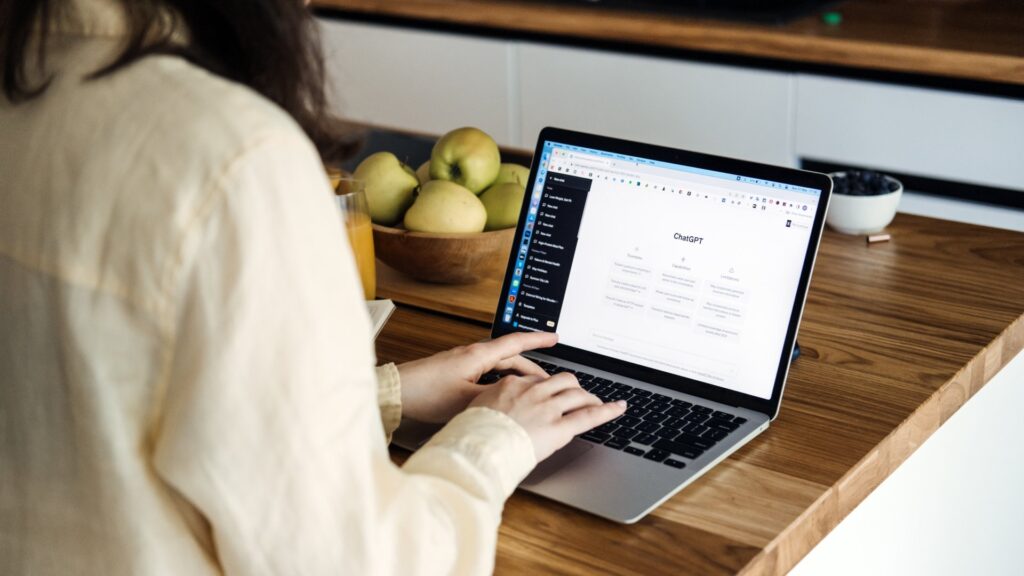
- Try tools like ChatGPT, Figma AI, or Adobe Sensei to see which fit your workflow.
- Train your team to prompt AI effectively and review results carefully.
- Track metrics such as project time, user engagement, and conversion rates.
- Always keep a human touch to maintain authenticity and brand personality.
At Digital Freak, we help businesses integrate AI tools into their web design and digital marketing strategies. Whether it is a smart landing page, a new website, or a full content refresh, we make AI practical and results driven.
Web Design: Adaptive and Always Evolving
The next generation of websites will not be static pages but living systems that respond to each visitor and update themselves automatically.
AI will soon allow content, visuals, and layout to change dynamically based on context and user intent. Designers will act as curators who guide the creative vision, while AI handles technical execution and real-time adjustments.
This shift is already happening. Companies using adaptive design powered by AI are reporting higher engagement and conversion rates. Businesses that adopt these tools early will gain a competitive edge.
The key is not to fear automation but to embrace it thoughtfully. AI will not replace the need for creativity or strategy. Instead, it will make those skills more powerful and more important than ever.
The Human Side of Smart Design
Artificial intelligence is changing how websites are built, but it is not removing the human touch. It is giving designers and businesses more freedom to focus on creativity, storytelling, and strategy.
AI improves speed, accuracy, and personalisation. It gives smaller teams the ability to produce results once limited to large agencies. The combination of human insight and intelligent technology creates websites that are both beautiful and effective.
At Digital Freak, we build websites that look great, optimise performance, and work hard to grow your business. Whether you need a redesign, a fresh digital strategy, or ongoing SEO optimisation, our team can help.
Book your free strategy call today and discover how smart, human-led design can help your business stand out online.
FAQs
What are the main benefits of using AI in web design?
AI helps improve efficiency, consistency, and user experience. It can analyse visitor behaviour, optimise page layouts, and ensure your website adapts to different audiences. This leads to better engagement and higher conversion rates. The technology also reduces production time, helping businesses launch faster without losing quality. If you want to build a website that performs well and looks amazing, get a free strategy call to discuss your goals.
Does AI make web designers less important?
AI assists designers rather than replaces them. It handles repetitive technical tasks and provides data insights, while human designers bring creativity, emotion, and understanding of brand identity. The best results come from combining both. AI can suggest ideas, but people decide what truly fits the business. If you are considering a redesign, our web design experts can help you balance creativity and technology. Schedule your free call to learn more.
How does AI improve user experience on websites?
AI helps websites respond to how visitors interact. It can adjust layouts, recommend products, or personalise content in real time. This makes browsing feel more relevant and engaging, encouraging visitors to stay longer and return later. A website that learns from its users also performs better over time. If you want to improve how customers experience your website, book a free strategy call with our digital marketing and web design specialists.
Can AI help optimise website performance and SEO?
Yes. AI can analyse data, detect performance issues, and suggest improvements for search engine visibility. It helps identify keywords, improve page speed, and ensure a better user experience. AI also assists with content optimisation by understanding what your audience searches for. This means your site can perform better with less manual effort. To find out how your website could benefit from smarter optimisation, reach out for a free strategy call today.
What are the risks of relying too much on AI in web design?
AI can create designs that feel generic if not guided by human input. It also depends heavily on data, so privacy and accuracy must be managed carefully. Businesses should use AI for support rather than full control. Human creativity and judgement remain essential for strong brand identity. If you are planning a new website, our team can help you blend smart automation with a personal touch. Call us today!

Prolific digital marketer with a passion for designing & beating the former "best yet". I write stories, create marketing campaigns, perform SEO and manage social media inside out. Passionate about leveraging cutting-edge techniques, I thrive in the ever-evolving world of digital marketing. Let's connect and innovate together!